PM Modi Calls For Fuel Saving, Self-Reliance Amid West Asia Crisis; Lists 7 Key Steps For Citizens

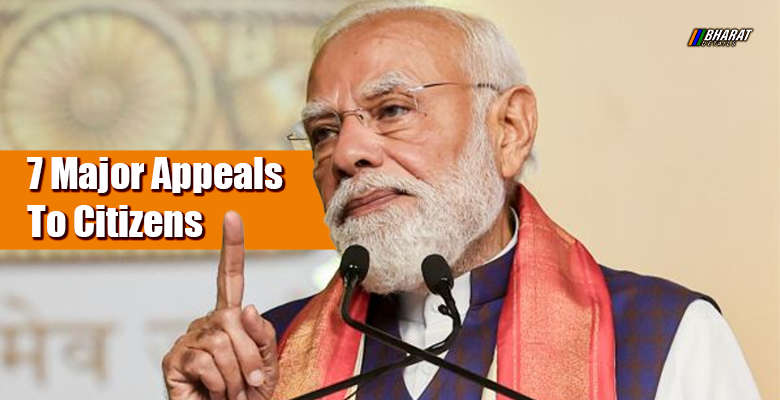
As tensions continue to rise in West Asia and global fuel prices remain unstable, Prime Minister Narendra Modi has urged citizens to adopt a more responsible and restrained lifestyle to help India deal with possible economic challenges ahead.
Speaking at a public event in Hyderabad, the Prime Minister said the country must put “nation first above personal comfort” during uncertain global conditions. He warned that prolonged geopolitical instability could affect crude oil supplies, increase import costs, and place pressure on India’s foreign exchange reserves.
The Prime Minister’s message focused on reducing dependence on imported fuel, controlling unnecessary spending, and encouraging long-term self-reliance. Several of the suggestions reflected habits adopted during the Covid-19 pandemic, especially reduced travel and remote working.
Government officials are closely monitoring developments in West Asia, particularly around major oil supply routes. Any major disruption in global energy movement could directly impact fuel prices and inflation in India.
Contents
Key Highlights: PM Modi’s 7 Major Appeals To Citizens
1. Revive Work-From-Home Culture
PM Modi encouraged offices and companies to restart work-from-home practices wherever possible. He said remote working during the pandemic had proven effective and could help reduce daily fuel consumption significantly.
2. Use Petrol And Diesel Carefully
Calling fuel conservation a national priority, the Prime Minister urged people to avoid unnecessary vehicle usage and consume petrol, diesel, and cooking gas responsibly.
3. Prefer Public Transport
Citizens living in urban areas were encouraged to use metro rail services, buses, and other public transport systems instead of relying heavily on private vehicles.
4. Promote Carpooling
The Prime Minister asked people to adopt carpooling whenever possible to reduce fuel consumption as well as traffic congestion in cities.
5. Postpone Non-Essential Foreign Travel
In a significant appeal, Modi advised citizens to avoid unnecessary foreign vacations and overseas trips for at least a year unless absolutely essential. According to officials, reducing foreign expenditure could help protect India’s forex reserves.
6. Avoid Unnecessary Gold Purchases
PM Modi also appealed to families to cut down on non-essential gold purchases, especially during weddings and celebrations, to reduce import pressure on the economy.
7. Shift Towards EVs And Rail Cargo
The Prime Minister pushed for faster adoption of electric vehicles and encouraged businesses to move cargo transportation towards railway networks instead of diesel-based road transport.
The Prime Minister’s speech quickly became a major talking point online. While many social media users supported the idea of fuel conservation and self-reliance during uncertain times, others questioned whether the burden of economic adjustment was being placed mainly on ordinary citizens already dealing with inflation and rising living costs.
Several users also linked the appeal to fears of possible fuel price hikes in the coming weeks. Discussions around foreign exchange reserves, gold imports, fuel dependency, and electric vehicle adoption began trending shortly after the speech.
Despite mixed reactions, the government’s message appears focused on preparing the country for possible global economic disruptions before they begin affecting everyday life more severely. With energy markets remaining volatile, fuel conservation and domestic resilience are likely to remain central themes in policy discussions in the coming months.