Saurav Das and Ashutosh Ranka Sent to 5-Day Judicial Custody After Jantar Mantar Protest

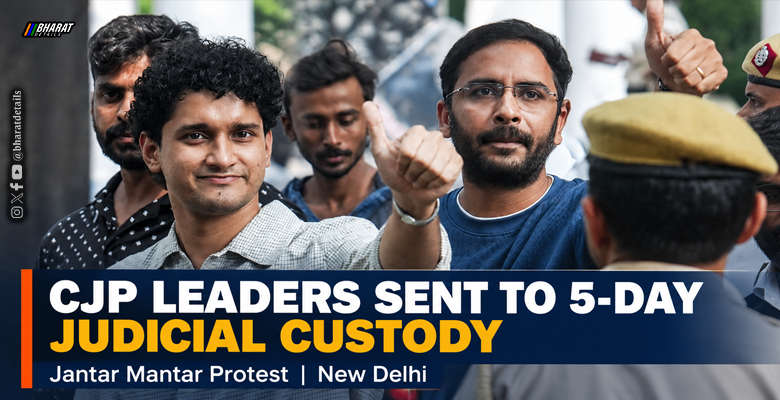
Saurav Das and Ashutosh Ranka, activists of the Cockroach Janata Party (CJP), have been sent to five days of judicial custody following their detention during a protest near Jantar Mantar in New Delhi. The development has triggered strong reactions from party leaders, who have accused the authorities of using police powers to suppress dissent.
CJP founder Abhijeet Dipke confirmed the development on Wednesday, October 14, and criticised the government over the custody order. The party maintains that its activists were targeted while attempting to demonstrate at the national capital’s prominent protest site.
Contents
CJP Leaders Challenge Custody Order
CJP activist Ajinkya Shinde, who was also detained alongside Das and Ranka, alleged that the group had gone to Jantar Mantar with party volunteers to wave the Indian national flag and raise patriotic slogans, including “Vande Mataram” and “Bharat Mata Ki Jai”.
Shinde accused the Narendra Modi-led government of acting against the activists for exercising their right to protest. He said the five-day judicial custody would not discourage the party from continuing its political activities.
The CJP leader also highlighted that October 14 was Ranka’s birthday, describing his detention on the occasion as particularly unfortunate. He alleged that the authorities were misusing their powers and undermining citizens’ fundamental rights.
Dipke echoed these allegations in a public statement, questioning the government’s response to the protest and accusing it of resorting to what he described as cowardly tactics against political dissent.
The allegations represent the party’s position on the incident. The circumstances surrounding the detention and the legal grounds for the custody order remain central to the dispute.
Lawyer Questions Delhi Police’s Allegations
Advocate Abhisht Hela, who is representing Das, Ranka and Shinde, challenged the legal basis for the custody order and questioned the authority of the Special Executive Magistrate involved in the proceedings.
According to Hela, the police argued that the activists could commit further offences and had allegedly violated conditions imposed through a peace bond. The lawyer disputed these claims, maintaining that his clients had not violated the bond’s conditions.
Hela also alleged that the police relied on a separate complaint registered in connection with Connaught Place while seeking action against the activists. He questioned the relevance of that complaint to the present proceedings.
The lawyer further argued that the authority to order judicial custody in the circumstances was questionable and maintained that the powers involved should be exercised by a competent judicial magistrate.
He also challenged the police’s claim that the activists had called on people to gather at the protest site, asserting that no such call had been made. The defence, according to Hela, raised legal objections and cited judicial precedents while challenging the action.
These are arguments advanced by the defence. The final legal position will depend on the applicable provisions, the proceedings on record and the decisions of the competent authorities or courts.
Why Were the Activists Detained at Jantar Mantar?
The detentions followed a change in the status of Jantar Mantar as a designated protest location.
According to the information provided by police sources, the activists were detained on Tuesday, October 13, after allegedly crossing barricades and entering the site while attempting to stage a demonstration. The police action came a day after Jantar Mantar was reportedly removed from the list of designated venues for protests and demonstrations.
The group was reportedly protesting against Chief Election Commissioner Gyanesh Kumar and demanding his resignation over alleged irregularities in the Special Intensive Revision (SIR) exercise. The allegations concerning the electoral revision process have also become a point of contention between the CJP and opposition parties.
Police registered a case against the activists over allegations that included trespassing, violating prohibitory orders, breaching a peace bond and obstructing a public servant from performing official duties.
Officials said Das and Ranka had signed a bond to maintain peace for one year after being detained during an earlier protest on Saturday, October 10. The alleged breach of the bond formed part of the subsequent proceedings, although the defence has disputed that any violation occurred.
Jantar Mantar Removed From Designated Protest Venues
The latest confrontation comes after Delhi Police Commissioner Anurag Kumar issued an order on October 11 designating Ramlila Maidan, Burari Ground and CBD Ground as venues for protests and demonstrations. Following the order, Jantar Mantar was reportedly no longer a designated protest site.
The change has particular significance because Jantar Mantar has historically served as a prominent location for demonstrations on political, social and public-interest issues.
Also read | Jantar Mantar No Longer Delhi’s Designated Protest Site; Police Name Three Alternative Venues
The revised arrangements have raised questions about where political groups and other organisations can lawfully organise demonstrations in the national capital. For the CJP, the change became a key issue during its attempt to protest against the Election Commission-related allegations.
The police have cited the alleged breach of restrictions and other legal grounds for their action, while the party has questioned whether the authorities’ response was justified.
CJP Says Protests Will Continue
Despite the custody order, Shinde said the party would not abandon its campaign. He rejected the suggestion that placing two of its leaders in judicial custody would discourage other activists from participating in demonstrations.
He also announced that the party’s National Working Committee would meet later on Wednesday to decide its next course of action. A further announcement was expected after the meeting.
The case brings together two contentious issues: the regulation of public protests in Delhi and the political dispute surrounding the Special Intensive Revision of electoral rolls.
The immediate focus will be on the legal proceedings concerning Das and Ranka, the objections raised by their lawyer and the action the CJP decides to take next. The case may also draw renewed attention to the rules governing demonstrations at designated protest venues in the national capital.