Trump Threatens Military Strike on Iran if Strait of Hormuz Not Reopened Before Deadline

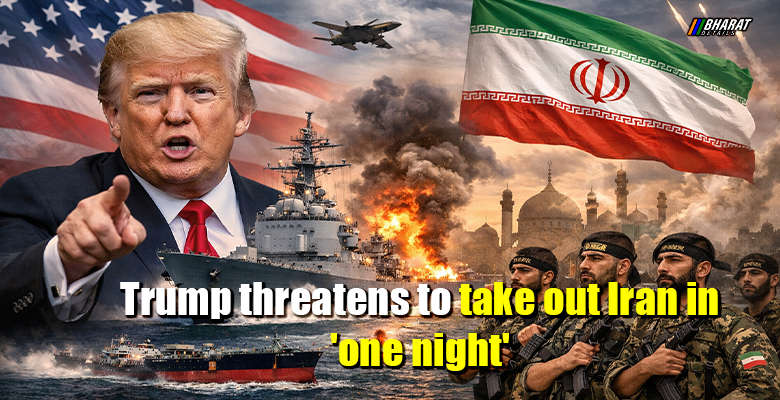
Trump Iran Strait of Hormuz threat has escalated global tensions after US President Donald Trump warned that the United States could launch a massive military strike against Iran if a deal is not reached before a critical deadline to reopen the strategic waterway.
Speaking at the White House, Trump said Iran must ensure the free flow of energy through the Strait of Hormuz—a narrow but vital route through which a significant portion of the world’s oil supply passes. The US has set a deadline, after which, Trump indicated, military options could be deployed.
He warned that Iran’s infrastructure, including power plants and transport systems, could be targeted swiftly if negotiations fail. While the remarks were forceful, Trump also suggested that some Iranian leadership figures appear to be engaging in talks in “good faith,” leaving room for a diplomatic outcome.
However, Iran has firmly rejected proposals for a temporary ceasefire. Officials in Tehran are instead calling for a permanent end to hostilities, reconstruction support, and the lifting of economic sanctions imposed by the US and its allies.
The situation remains complex on the ground. According to regional sources familiar with the talks, communication with Iranian officials has been slow due to disruptions, making negotiations more difficult. Responses are reportedly delayed, sometimes taking up to a day, further complicating already fragile diplomatic efforts.
The remarks came during a joint press briefing with senior US defence officials, including General Dan Caine and Defence Secretary Pete Hegseth. The briefing also highlighted a recent US military operation that successfully rescued two crew members from a downed F-15 fighter jet in southern Iran—an incident that underscores the intensity of the ongoing conflict.
Beyond Iran, Trump also expressed frustration with key US allies, particularly NATO members, accusing them of failing to support American efforts in securing the Strait of Hormuz. He suggested that the lack of cooperation could have long-term implications for alliances.
Military data released by US Central Command indicates that thousands of strikes have been conducted across Iran since the conflict intensified, pointing to a significant escalation in hostilities.
Also read | India Bans Chinese Internet-Connected CCTV Cameras And Routers Over Security Concerns
Legal experts have raised concerns about the implications of targeting civilian infrastructure, warning that such actions could violate international law. Despite this, the US administration has maintained that all options remain on the table.
The Strait of Hormuz remains at the centre of the crisis. Any prolonged disruption could impact global oil markets, fuel prices, and economic stability, including in energy-dependent countries like India.
As the deadline approaches, the world is watching closely. Whether the situation moves toward negotiation or further escalation will likely shape not only regional stability but also the broader geopolitical landscape in the weeks ahead.