1st India-Bound Oil Tanker Crosses Strait of Hormuz, Docks at Mumbai Port Amid Rising Middle East Tensions


Strait of Hormuz oil tanker India movement resumed cautiously this week as a crude carrier successfully reached Mumbai after navigating one of the world’s most sensitive maritime corridors during a period of escalating geopolitical tensions in the Middle East.
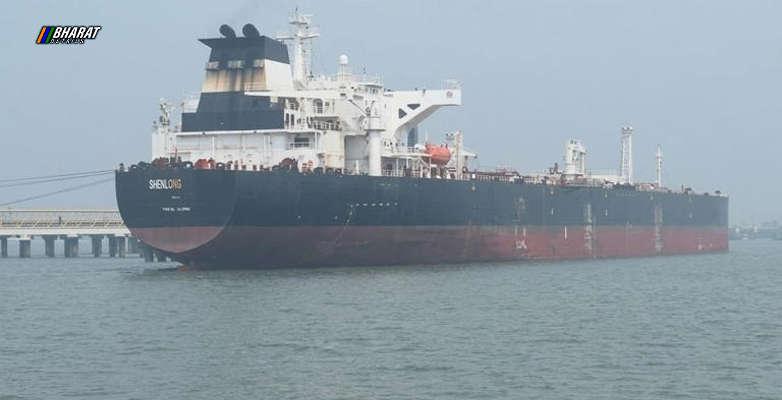
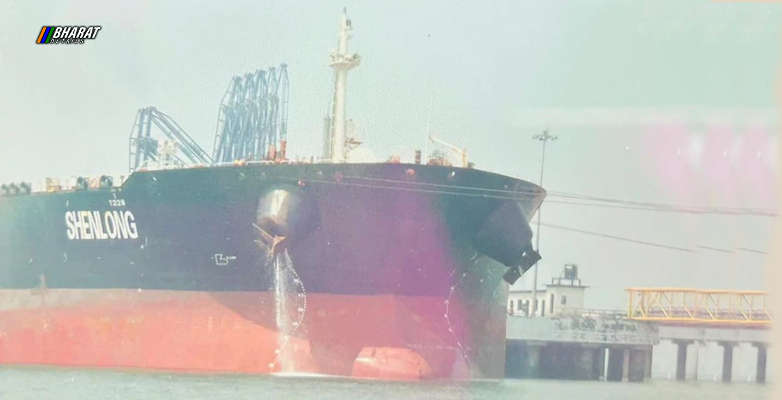
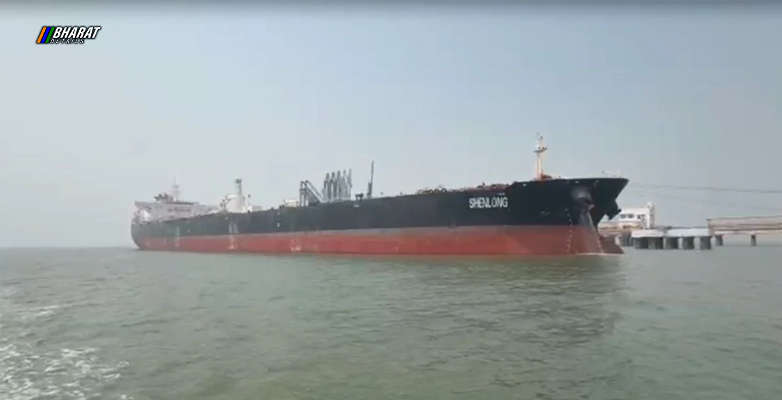
A Liberian-flagged crude oil tanker, Shenlong Suezmax, arrived at the Mumbai port on Wednesday carrying more than 135,000 metric tonnes of crude oil that had been loaded at Saudi Arabia’s Ras Tanura terminal earlier this month. Maritime officials confirmed that the vessel completed its journey after receiving clearance to transit through the Strait of Hormuz, a critical shipping lane that has recently come under heightened scrutiny due to regional hostilities.
The tanker had departed Ras Tanura on March 1 and passed through the narrow strait days later before entering Indian waters. According to port authorities, the crude cargo will be transported to a refinery in Mahul, in eastern Mumbai, for further processing.
Contents
Strategic Passage Under Global Watch
The Strait of Hormuz is widely regarded as one of the most vital energy routes in the world. Roughly one-fifth of global oil shipments pass through the narrow waterway that links the Persian Gulf to international markets. Any disruption to traffic in the region can quickly ripple through global energy markets.
Tensions have intensified since a military confrontation involving the United States, Israel, and Iran escalated at the end of February. Iran has tightened oversight of vessels transiting the strait, raising fears of delays or possible disruptions in the global supply chain.
The arrival of the Shenlong Suezmax in Mumbai therefore marks one of the first successful crude deliveries to India through the corridor since the situation worsened, offering some reassurance to energy importers and shipping operators.
Diplomatic Efforts Ease Passage
Government sources indicated that diplomatic engagement played a role in facilitating the safe movement of vessels through the region. India’s External Affairs Minister S. Jaishankar held discussions with his Iranian counterpart Abbas Araghchi in recent days, after which authorities reportedly allowed Indian-linked vessels to continue transiting the route.
While officials have not disclosed the details of the conversation, the move is being viewed as a significant step toward ensuring uninterrupted energy supplies for India, which relies heavily on crude imports from West Asian producers.
Monitoring Indian Ships and Seafarers
The Ministry of Shipping said it is closely monitoring the safety of Indian vessels operating in the Persian Gulf. As of this week, 28 Indian-flagged ships were reported to be in the region.
Of these, 24 vessels carrying 677 Indian seafarers are currently positioned west of the Strait of Hormuz, while four ships with 101 crew members are east of the waterway. Authorities noted that a 24-hour control room has been operating since February 28 to track maritime developments and coordinate assistance if required.
Officials also confirmed that several ships have already moved out of the high-risk zone in recent days and entered the Arabian Sea safely.
Rising Oil Prices Reflect Market Anxiety
Even as shipping activity resumes cautiously, global energy markets remain volatile. Crude oil prices have climbed sharply in recent trading sessions amid concerns that prolonged tensions could restrict supply flows from the Gulf.
Domestic futures markets also reflected the pressure, with crude contracts rising significantly as traders reacted to firm global demand and uncertainty around supply routes.
Relief for Energy Supply Chain
For India, which imports a large share of its crude requirements, the successful arrival of the tanker provides some relief. Energy analysts say maintaining smooth shipping through the Strait of Hormuz is critical to keeping fuel supplies stable and preventing sudden price shocks in the domestic market.
While shipping lanes remain open for now, experts warn that continued geopolitical friction could still pose risks to global oil logistics in the weeks ahead.
For the moment, the docking of the Shenlong Suezmax in Mumbai stands as an early sign that vital energy routes are still functioning — though under close watch from governments, shipping operators, and global markets alike.