Petrol and Gas Shortage in India? Here’s the Real Situation Amid Iran–Israel Tensions

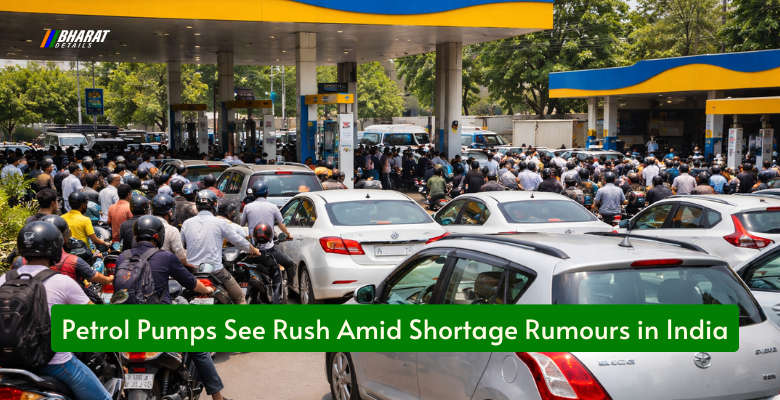
Petrol and Gas shortage in India has become a major talking point across cities, with rumours triggering panic buying and long queues at fuel stations. However, government officials have clarified that there is no immediate shortage, even as global tensions in West Asia continue to influence oil markets.
The concerns stem from the ongoing geopolitical standoff involving Iran, Israel, and the United States. While tensions escalated in recent days, including warnings over control of the strategically critical Strait of Hormuz, the situation has temporarily stabilised. Officials indicate that planned military actions have been put on hold, with diplomatic conversations currently underway.
The Strait of Hormuz remains one of the world’s most vital oil transit routes, handling a significant share of global crude shipments. Any disruption here tends to have a ripple effect on fuel prices worldwide. Iran has warned of stricter controls, including imposing heavy transit charges, raising concerns among global importers.
Despite this backdrop, India’s fuel supply chain remains largely intact. Officials said that crude oil and gas shipments have continued to reach Indian ports, even as some other countries face logistical challenges. India’s diversified import strategy and stable diplomatic relations have helped maintain steady inflows.
In recent days, videos showing long queues at petrol pumps and LPG agencies in several cities have gone viral. These scenes, however, are being driven more by panic than by actual shortage. Authorities have repeatedly urged citizens to avoid unnecessary stockpiling, stating that supplies are sufficient for regular consumption.
The Ministry of Petroleum and Natural Gas has assured that India has adequate reserves and is prioritising domestic demand. LPG production has been ramped up, and supply to households and transport sectors continues without disruption. Officials have also dismissed rumours suggesting a reduction in domestic LPG cylinder weight, calling such claims baseless.
Prime Minister Narendra Modi, in a recent address, urged citizens to remain calm and avoid panic-driven behaviour. Drawing parallels with the COVID-19 period, he emphasised preparedness while reassuring that the country is well-equipped to handle supply challenges.
On the pricing front, global crude oil rates have surged sharply due to uncertainty in West Asia. India’s crude basket has reportedly touched record levels, reflecting increased import costs. However, oil marketing companies have so far avoided passing on the full impact to consumers, keeping petrol and diesel prices relatively stable.
India, the world’s third-largest oil consumer, relies on imports for over 80% of its crude requirement. Current estimates suggest that the country holds oil and fuel reserves sufficient for several weeks, including both strategic and commercial stocks. Experts note that while this provides a buffer, expanding long-term reserves remains an important priority.
The ongoing situation has also highlighted the importance of diversifying supply sources. Indian refiners have already increased imports from alternative regions, including Russia, to offset potential disruptions from West Asia.
For now, the government maintains that there is no cause for alarm. Fuel supply across the country remains stable, and distribution systems are functioning normally. While global uncertainties may lead to mild price fluctuations, there is no indication of a supply crisis in India at this stage.
As geopolitical developments continue to evolve, authorities are closely monitoring the situation. For consumers, the key message remains clear: avoid panic buying and rely on official updates rather than unverified rumours.