Zomato CEO says 10-minute delivery model does not pressure riders, explains system design

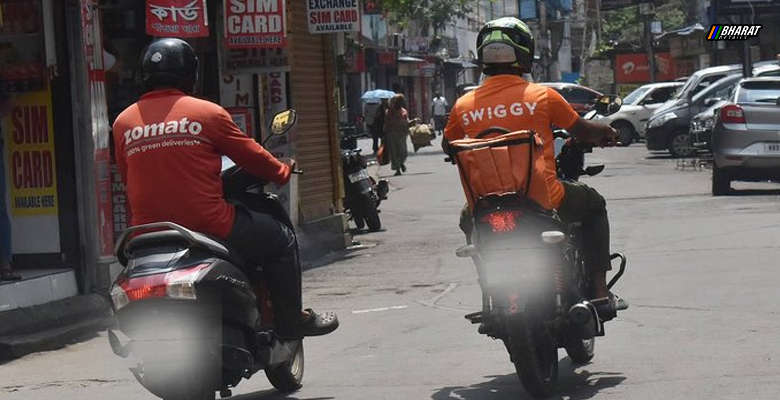
Concerns around ultra-fast food and grocery deliveries returned to focus this week after gig worker unions called for strikes on December 31, questioning whether 10-minute delivery promises put delivery partners at risk. Responding to the debate, Zomato co-founder and CEO Deepinder Goyal said the model is driven by infrastructure and planning, not by asking riders to drive faster.
In a series of public responses on social media, Goyal explained that delivery partners are not shown countdown timers or customer-facing delivery promises on their apps. According to him, there are no penalties if an order reaches late, and safety takes priority over speed.
How the 10-minute delivery promise works
Goyal said the quick delivery model, especially for Blinkit orders, is enabled by the dense network of stores located close to residential areas. Once an order is placed, it is picked and packed in roughly two to three minutes. The delivery partner then typically travels less than two kilometres, taking about eight minutes at an average speed of around 15 kmph.
“This is not enabled by asking delivery partners to drive fast,” he said, adding that the system is designed to reduce travel distance rather than increase riding speed. He acknowledged that the process may appear risky from the outside but argued that the complexity of the logistics often goes unnoticed.
No late penalties, insurance provided
Addressing questions from users, Goyal said delivery partners are not fined or penalised if deliveries miss the estimated time. “Nothing happens if they don’t deliver on time. We understand that things go wrong,” he said.
He also stated that all delivery partners are covered by medical and life insurance. On hiring criteria, Goyal said anyone with a valid driving licence and a clear background check is eligible to work as a delivery partner.
On career growth, he reiterated that delivery work is not designed to be permanent employment. Most people, he said, take up gig work for a few months before moving on to other opportunities. He shared that the annual attrition rate among delivery partners is about 65 per cent, describing the work as “truly gig” in nature.
Why riders appear rushed on roads
Responding to criticism that delivery partners are often seen breaking traffic rules, Goyal said this perception is partly due to visibility. Riders in company uniforms are easier to associate with a brand, while similar behaviour by others often goes unnoticed.
“If delivery partners were the only ones breaking traffic rules, I would take the blame,” he said, adding that impatience on roads is a broader societal issue. He denied the existence of any direct or indirect incentives that encourage risky riding.
Strike claims and platform response
Goyal also commented on the New Year’s Eve strike call by gig worker unions. He claimed that most Zomato and Blinkit delivery partners chose to work that day, and that the platforms recorded their highest-ever number of deliveries without offering additional incentives.
According to him, a small group of individuals disrupted operations by targeting riders who wanted to work. He alleged that many of those involved had earlier been removed from the platform for repeated violations and were being supported by politically motivated groups. Union representatives, however, have maintained that the strikes were aimed at pressing long-standing demands around pay, safety, and social security.
The public exchange gained further attention after comedian Kunal Kamra questioned how much delivery partners earn per hour, highlighting the wider lack of transparency around gig worker incomes.
A debate that is likely to continue
While delivery services across major cities were largely unaffected during the holiday period, the discussion around ultra-fast deliveries, worker safety, and platform accountability has intensified. Goyal’s remarks offer the company’s perspective, but unions and labour experts say concerns around earnings stability and long-term welfare remain unresolved.
As quick commerce continues to expand in urban India, how platforms balance speed, safety, and fair working conditions is likely to remain under scrutiny well beyond the festive season.